
The age-old system of measuring success by letter grades and percentages has long dominated classrooms worldwide. However, as we navigate an era of rapid change and complexity, it's becoming clear that grades fall short in capturing the essence of learning. A child's educational journey extends far beyond the walls of the classroom and the confines of exam papers. It touches upon personal growth, emotional intelligence, and critical thinking—the true markers of a well-rounded individual. It's time we challenge the traditional notion of success and look beyond the report card to see what truly shapes a child's development.

The Living Curriculum - Education should be a living curriculum, one that evolves and transforms to match the pace of the world. This dynamic approach bridges the gap between classroom teachings and real-life applications, enabling students to engage meaningfully with their surroundings. By integrating lessons with life, students see education as a living, breathing journey rather than a static set of rules.
Learning Community - In a strong learning community, the classroom becomes a space of mutual support and collaboration. Students, teachers, and parents work together to create a nurturing environment where curiosity is celebrated, mistakes are stepping stones, and growth is the goal. This holistic approach encourages students to take charge of their learning and become active participants in their educational journey.
School/World as Laboratory - When we view the school and the world as interconnected laboratories, learning becomes an exciting journey of discovery. Students are encouraged to experiment, explore, and challenge conventional thinking. This real-world learning cultivates skills that grades alone cannot measure: adaptability, creativity, and resilience.
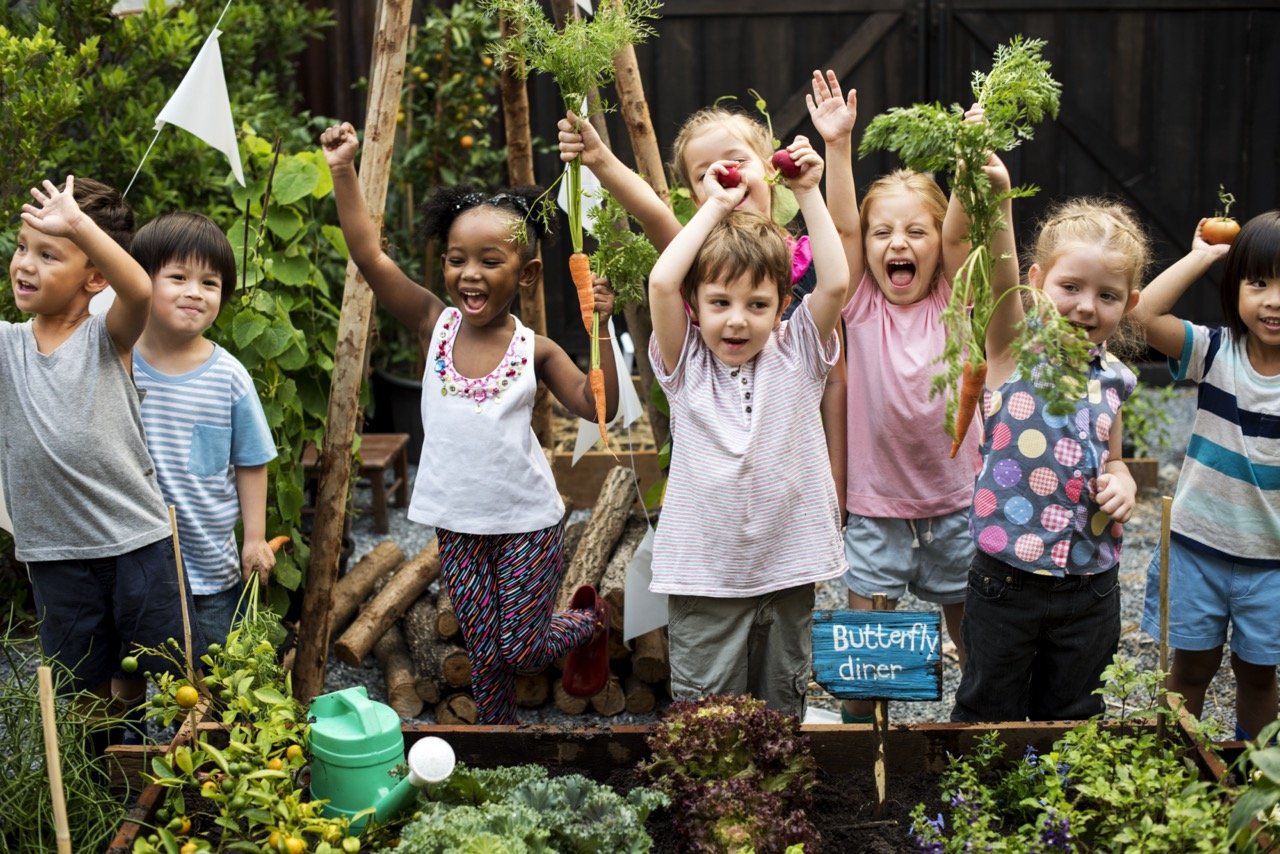
Learning with Nature - Taking education beyond the classroom and into the garden can offer transformative experiences. Learning "with" nature fosters a deeper appreciation for the environment and teaches essential lessons about interconnectedness, sustainability, and the beauty of life cycles. This immersive experience nurtures a sense of responsibility and stewardship towards our planet.
Emotional Intelligence and Personal Growth - Emotional intelligence and personal growth are the bedrock of a fulfilling life. By nurturing these qualities alongside academic learning, we empower students to understand themselves, empathize with others, and navigate the complexity of the world with confidence and compassion.
New Models of Assessment - Grades can't fully capture the multifaceted journey of learning. Instead, we should embrace alternative assessments like portfolios, projects, and presentations. These approaches provide a comprehensive view of a student's progress, highlighting creativity, collaboration, and critical thinking—attributes that will serve them well throughout life.
Practical Tips for Empowering Children in the Outdoor Learning Process
Encourage Exploration: Foster a sense of curiosity and wonder by encouraging children to explore their natural surroundings. Provide opportunities for unstructured play, allowing them to discover and engage with the environment at their own pace.
Incorporate Nature in Lessons: Integrate nature-based activities and lessons into the curriculum. Whether it's a science experiment in the garden or a writing assignment inspired by a hike, find creative ways to connect classroom learning with the outdoors.
Involve Children in Design: Empower children to be active participants in transforming their learning environments. Include them in the process of planning and designing outdoor spaces, allowing them to have a voice in creating spaces that reflect their interests and needs.
Emphasize Sustainability: Teach children about the importance of sustainability and conservation. Encourage practices such as recycling, composting, and water conservation, instilling a sense of responsibility towards the environment.
Partner with Local Organizations: Collaborate with local environmental organizations or community gardens to expand outdoor learning opportunities. These partnerships can provide resources, expertise, and additional learning experiences for children.
Engage in Citizen Science Projects: Participate in citizen science projects that involve children in real-world scientific research. Activities like bird counting, plant identification, or water quality monitoring not only educate but also foster a sense of ownership and environmental stewardship.
Support Risk-taking and Resilience: Outdoor learning often involves some level of risk-taking. Encourage children to step out of their comfort zones, take calculated risks, and learn from failures. This helps build resilience, problem-solving skills, and self-confidence.
Education plants the seeds of change, shaping how we learn and, ultimately, how we live. By redefining success and looking beyond traditional grades, we open the door to a more meaningful, holistic approach to learning. Let's pave the way for a new era of education that celebrates growth, values diverse talents, and prepares students for a life of purpose and passion.
As parents, caretakers, teachers, and schoolmakers, we hold the key to unlocking the transformative power of outdoor education. By embracing nature's classroom, we provide children with an extraordinary gift—a world of boundless wonder, where learning transcends traditional boundaries. Through practical tips and empowering strategies, let us nurture the minds, bodies, and spirits of young learners, fostering a lifelong connection to the natural world and cultivating compassionate humans.


© Juliette Schraauwers, All Rights Reserved. This content is intended for personal use only and cannot be distributed, reproduced, or sold without explicit permission from the copyright holder.

I believe we have to Rethink, Relearn, Reimagine and Regenerate what we know, in order to Thrive in Today’s World - I’m really glad you’re here. Because I’ve combined it all into one place for parents, caretakers, and school makers to empower the next generation to grow up as holistic thinkers & doers.
We often ask ourselves: Why didn't we learn this in school? The Eco Home ToolKid is designed to help you empower children to grow up as holistic thinkers and doers. We have the tools & training in place you'll need to rethink, relearn and reimagine life. Our goal is for you to guide children on their unique journey in order to thrive in this world. Including 74 pages!
My mission is to create healthy and healing spaces for our loved ones. Whether building new or transforming your current home, this TOOLKiD empowers you every step of the way. I understand the profound impact of the environment on our children's well-being. And I believe it's our duty to create healthier homes.
In today's world, it is crucial to prioritize sustainable and toxic-free living spaces. This TOOLKiD provides insights into constructing an ecological home with natural materials, fostering a deep connection with nature and responsibility towards the environment. Discover practical methods to incorporate natural materials, energy efficiency, and eco-conscious practices into your home. This TOOLKiD guides you in creating an environment that supports physical health, mental well-being, and connection to the natural world.
What is in the 74 pages ToolKiD:
Introduction
Why Do We Build This Way?
Top 20 Toxins in Homes
Ecological v.s. Toxic Homes
Building Material Swap
Household Items Swap
My Personal Journey
Get Children Involved
Finding Land to Build
Local Building Regulations
Finding inspiration
What is Biophilia?
Building Options
3 questions to ask yourself
Some Thoughts on Mortgage
Behind the Scenes
Envision your future home
Make it visual
Layout your floor plan
Behind the Scenes
Rest and Recharge
What is Feng Shui?
Playing with colours
The power of plants
Biobased inspiration
Sourcing Biobased materials
Circular inspiration
Sourcing Circular Materials
DIY or Contractor?
Behind the Scenes
Building New Planner
Renovation Planner
Why we choose wood
Wood Checklist
Behind the Scenes
My 12 Favourite Materials
Grow your Eatable Garden
The End Result
Overcoming challenges
Conclusion
All Tools & Training